
What's the Difference Between PET and PETG Bottles?
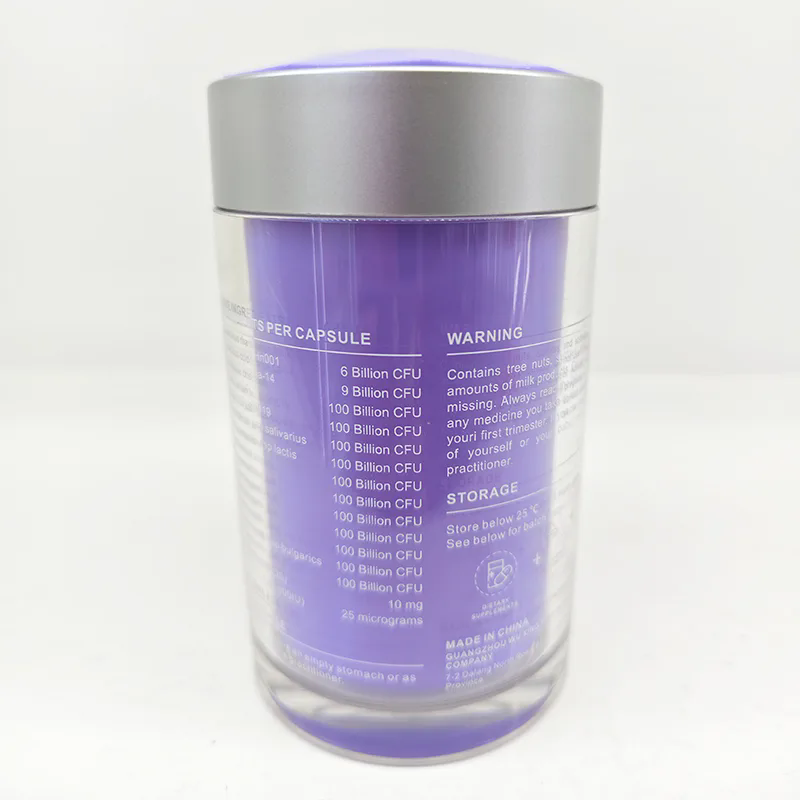
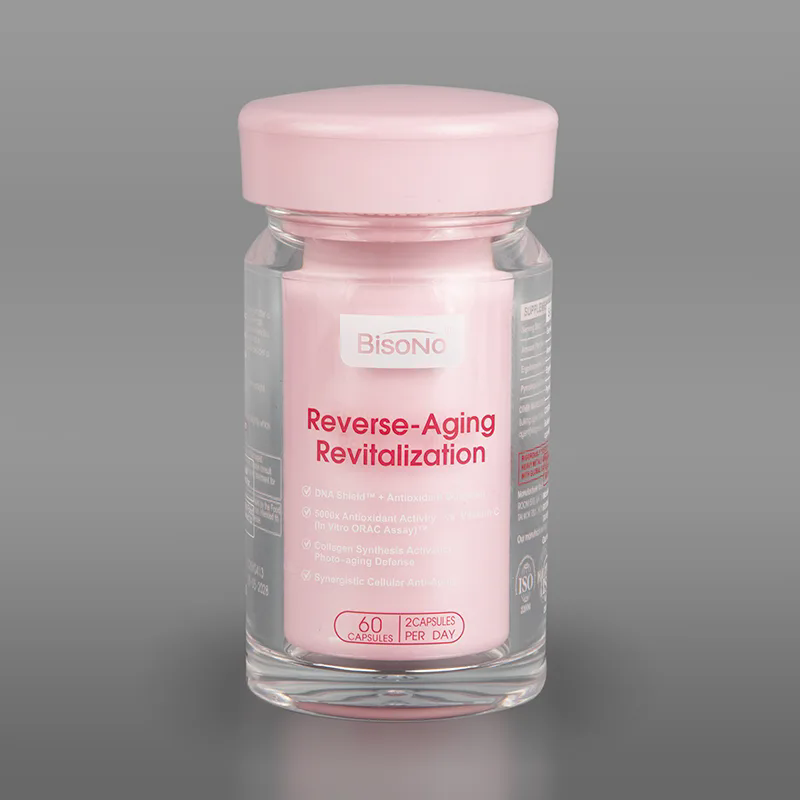
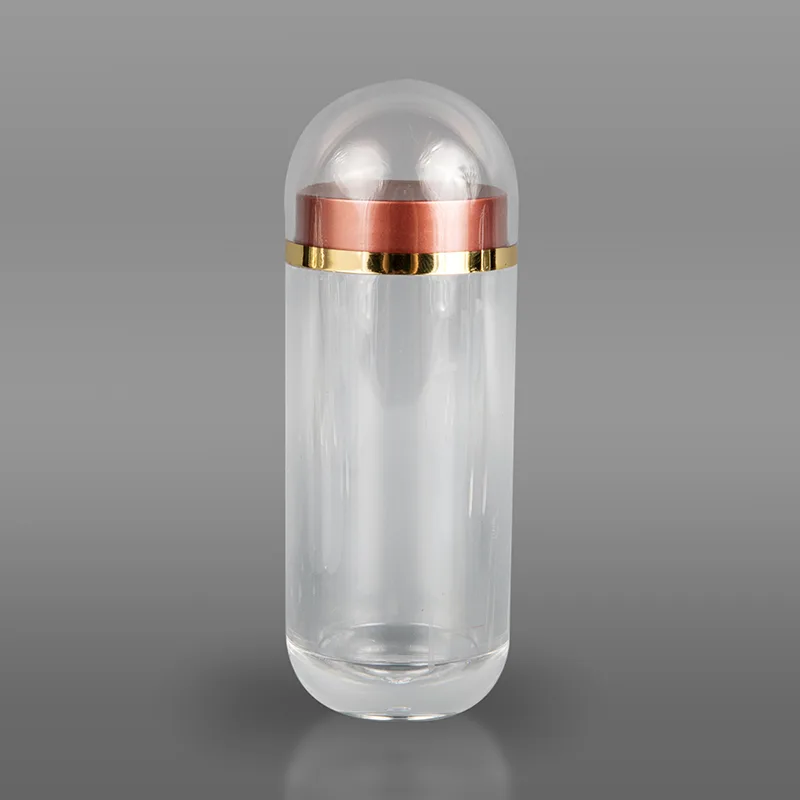
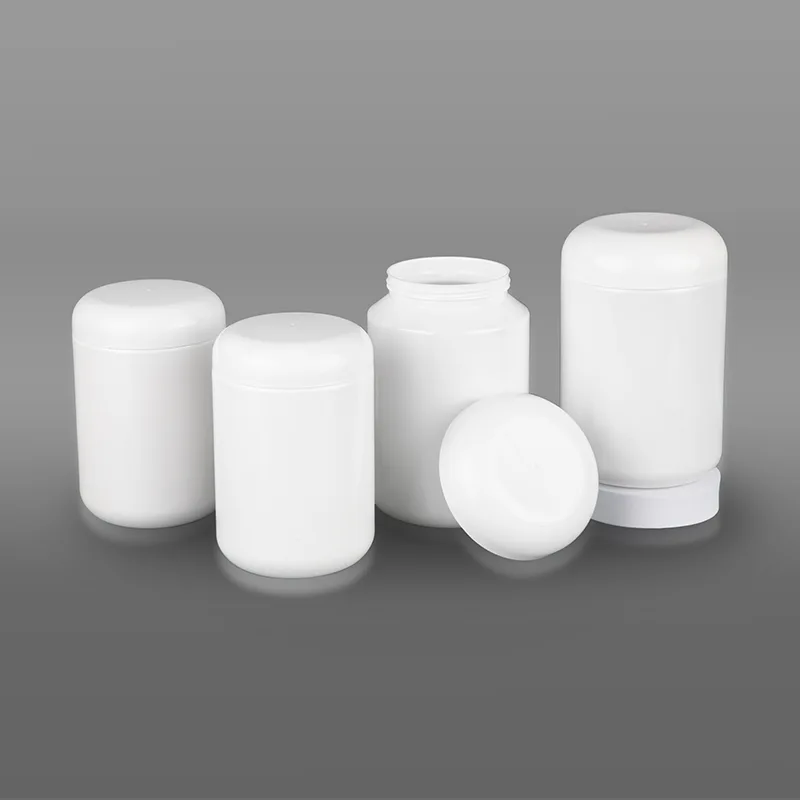
When we turn our focus to the field of plastic packaging, we will find that two types of plastic bottles—PET (polyethylene terephthalate) and PETG (polyethylene terephthalate glycol)—are each anchored in distinctly different application scenarios due to significant differences in their performance. And the ability to clearly identify the core differences between them is precisely an indispensable key prerequisite for industries such as food, beauty, and beverages when selecting packaging containers.
1. Core Performance Differences: In-depth Competition from Molecular Properties to Practical Performance
PET bottles maintain their position as a mainstream mass-market packaging material thanks to their two core advantages: low cost and pressure resistance. PET bottles have a highly regular molecular structure, strong crystallinity, and a heat deformation temperature of approximately 60-70°C. Not only can they easily withstand the internal pressure of 0.3 to 0.5MPa in carbonated drinks, but more importantly, their raw material cost is 20% to 30% lower than that of PETG. It is precisely for this reason that products requiring large-scale mass production—such as mineral water, cola, and cooking oil—almost all regard PET bottles as their preferred packaging. However, PET bottles are not without flaws: their impact resistance is relatively weak, with an impact strength of only 30kJ/m², and they tend to become brittle in low-temperature environments; even their light transmittance, ranging from 88% to 90%, is ultimately inferior to that of PETG.
PETG bottles, on the other hand, have taken a different approach and firmly established a foothold in the high-end packaging market with a combination of "high texture" and "strong adaptability". How did it achieve this breakthrough? The answer lies in its modification process: by adding 1,4-cyclohexanedimethanol (CHDM) to modify the raw material, the crystallinity of PETG is significantly reduced, and its heat distortion temperature is thereby increased to 80 to 90℃. Even when filled with hot drinks (such as warm fruit juice) at 60 to 70℃, it will not deform. More notably, its impact strength can reach 65 to 90kJ/m², which is 2 to 3 times that of PET—a 1-meter drop test is sufficient to prove this: the breakage rate of PETG bottles is only 5%, while that of PET bottles is as high as approximately 30%. In addition, PETG bottles also excel in light transmittance, with a value of 92% to 93% that is almost comparable to glass; chemical resistance is even its strong suit—acidic fruit juices, alcoholic beverages, and even cosmetic stock solutions such as serums and cleansing oils can be safely contained in it, with no harmful substances leaching out and no pungent odors remaining.
2. Application Scenarios and Selection Logic: The Balancing Act Between Functional Adaptation and Commercial Value
When it comes to application scenarios, PET bottles are clearly more suitable for needs characterized by "large-scale production, cost-effectiveness pursuit, and room-temperature rigid demand". As the data released by a mineral water enterprise show, their daily production capacity of PET bottles can easily reach 1 million units, and their air pressure resistance just happens to meet the 6-month shelf-life requirement for carbonated drinks. However, one point must be noted: PET bottles must never be used to hold high-temperature liquids or highly corrosive substances, otherwise deformation or even cracking is likely to occur, ultimately affecting product quality.
The application scope of PETG bottles, meanwhile, is more concentrated on needs such as "high-end positioning, personalized design, and multi-scenario adaptation". Isn’t it precisely because of their high transparency that beauty brands love to use them for packaging serums? This transparency maximizes the texture of the product itself, allowing consumers to perceive the delicacy of the product at a glance. High-end fruit juice brands choose them precisely because they can achieve flexible usage methods of "room-temperature storage + short-term heating"—a market test conducted by a brand clearly proved that consumer preference for fruit juice in PETG bottles is 40% higher than that in PET bottles.
| Comparison Dimension | PET Bottles | PETG Bottles | Key Difference |
|---|---|---|---|
| Heat Distortion Temperature | 60-70℃ | 80-90℃ | PETG has better heat resistance, suitable for hot drinks |
| Impact Strength | 30kJ/m² | 65-90kJ/m² | PETG’s shatter resistance is 2-3 times that of PET |
| Light Transmittance | 88%-90% | 92%-93% | PETG is closer to glass in texture |
| Chemical Resistance | Suitable for neutral liquids | Compatible with acids, alcohols, cosmetic stock solutions | PETG has stronger corrosion resistance |
| Raw Material Cost | Lower (benchmark value: 100) | Higher (benchmark value: 120-130) | PET is more suitable for mass production scenarios |
| Application Field | Mineral water, carbonated drinks, cooking oil | Fruit juice, cosmetics, high-end beverages | Significant differences in scenario adaptability |
With the wave of consumption upgrading sweeping in, the growth rate of PETG bottles in the high-end packaging field has become increasingly prominent—data from an e-commerce platform in 2024 provides strong evidence: the sales volume of beauty packaging made of PETG increased by 65% year-on-year. So how should enterprises make proper material selection? The answer is actually clear: they must make a comprehensive judgment based on their own cost budgets, product characteristics (such as whether high-temperature resistance is required and whether corrosive components are contained), and brand positioning. If pursuing cost-effectiveness and wanting to control mass production costs, choose PET; if more emphasis is placed on packaging texture and multi-scenario adaptation is needed, PETG is the better solution—only in this way can the perfect balance between packaging functionality and commercial value be truly achieved.
Related News
- How Can a Protein Powder Supplement Acrylic Jar Improve Your Nutrition Storage?
- How Are PET Bottles Revolutionizing Packaging?
- Why Are PS Bottles Popular for Modern Packaging?
- How does PETG Cosmetic Bottle For Capsules Lead the Innovation of Beauty Packaging?
- How does RUGUI health care gift box convey health and care?
- How RUGUI PETG cosmetic bottle manage an excellenet balance of aesthetics and performance?
Leave me a message