
How to Use PETG Bottles Properly to Extend Their Service Life and Avoid Safety Hazards?
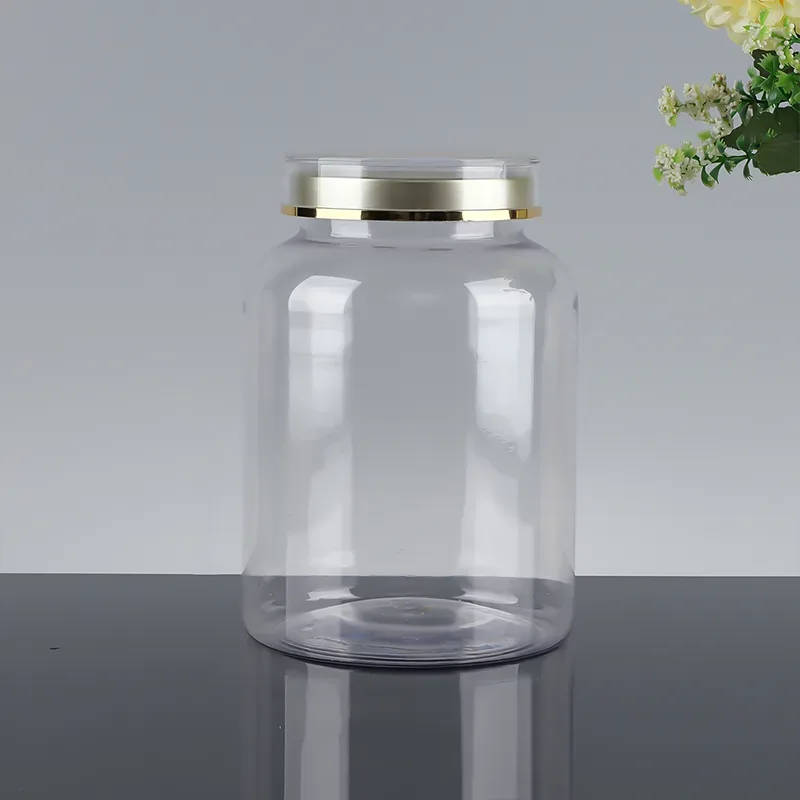
PETG bottles, with their advantages of transparency and shatter resistance, are widely used in scenarios such as food packaging and household drinking water storage. However, proper usage is essential to leverage their performance advantages. Mastering the following precautions can effectively extend their service life, ensure safe use, and avoid material damage or safety hazards caused by improper operation.

1. Strictly Control Temperature Range to Avoid High-Temperature Damage
The maximum temperature resistance of PETG material is 60℃. Exceeding this temperature may cause deformation, softening, or even the release of trace substances. In daily use, it is strictly forbidden to directly fill the bottle with boiling water, freshly brewed coffee (usually 80-95℃), or place it in a microwave oven for heating or a high-temperature disinfection cabinet (temperature ≥100℃). According to test data, when a PETG bottle is placed in a 70℃ environment for 1 hour, its deformation rate reaches 15%, and its surface gloss decreases by 40%. If warm water is needed, the water temperature should be controlled below 50℃; after pouring, shake the bottle well before sealing.
2. Scientific Cleaning and Maintenance to Prevent Material Wear
Two misunderstandings should be avoided during cleaning:
Do not use hard-bristle brushes or steel wool for scrubbing, as this easily scratches the inner wall of the bottle (bacteria tend to grow in scratches, increasing cleaning difficulty by 30%).
Do not use high-concentration alcohol (≥75%) or strong alkaline cleaners (e.g., sodium hydroxide solution), which can corrode the material surface and reduce transparency.
The correct method is: use a soft sponge dipped in neutral detergent (pH 6-8), rinse with room-temperature water, drain, and store upside down to prevent residual water from breeding mold.
3. Reasonably Control the Reuse Cycle
Although PETG is recyclable, regular replacement is required for repeated use. It is recommended to replace the bottle every 3-6 months when used for drinking water. When you use it to store perishable drinks like juice and dairy products, the use time should be cut to 1-2 months. And you need to clean the bottles within 24 hours after each use.Microbiological tests show that the number of bacteria on the inner wall of unused PETG bottles (used for more than 6 months) can reach 1000 CFU/mL. This is way over the safety standard (≤100 CFU/mL).
4. Avoid Storage and Contact Risks
Two threats should be avoided during storage:
Direct sunlight (ultraviolet rays accelerate material aging, making the bottle brittle and reducing impact strength by 25%); store in a cool, well-ventilated place instead.
Sharp objects (though PETG is shatter-resistant, collision with sharp objects can cause cracks, which may lead to leakage).
In addition, it is not recommended to store oily substances (e.g., cooking oil) or strong acidic beverages (e.g., concentrated lemon juice, pH ≤2) for a long time, as prolonged contact may increase the risk of material leaching.
| Precautions | Incorrect Practices | Correct Practices | Risk Warnings |
|---|---|---|---|
| Temperature Control | Filling with boiling water, microwave heating | Water temperature ≤50℃, avoiding high-temperature environments | Deformation, material aging |
| Cleaning Method | Scrubbing with hard brushes, cleaning with high-concentration alcohol | Soft sponge + neutral detergent, cleaning with room-temperature water | Scratches (bacteria growth), surface corrosion |
| Reuse Cycle | Continuous use for over 6 months without replacement | Replace every 3-6 months (drinking water) or 1-2 months (beverages) | Excessive bacteria, increased leaching risk |
| Storage & Contact | Exposure to direct sunlight, contact with sharp objects | Storing in a cool place, keeping away from sharp objects | Brittleness (damage), leakage |
When you choose a PETG bottle, make sure it meets the standards of FDA 21 CFR 177.1630 or national standard GB 4806.7. This way, you can make sure it’s safe for touching food.If you follow the above rules, you not only can use the good points of PETG bottles fully, but also can use them safely. And they become a reliable thing to use in daily life.
Related News
- How Can a Protein Powder Supplement Acrylic Jar Improve Your Nutrition Storage?
- How Are PET Bottles Revolutionizing Packaging?
- Why Are PS Bottles Popular for Modern Packaging?
- How does PETG Cosmetic Bottle For Capsules Lead the Innovation of Beauty Packaging?
- How does RUGUI health care gift box convey health and care?
- How RUGUI PETG cosmetic bottle manage an excellenet balance of aesthetics and performance?
Leave me a message