
How do Acrylic Bottles Stand Out in Beverage Containers with Their "Glass-Like Texture and Plastic Toughness"?
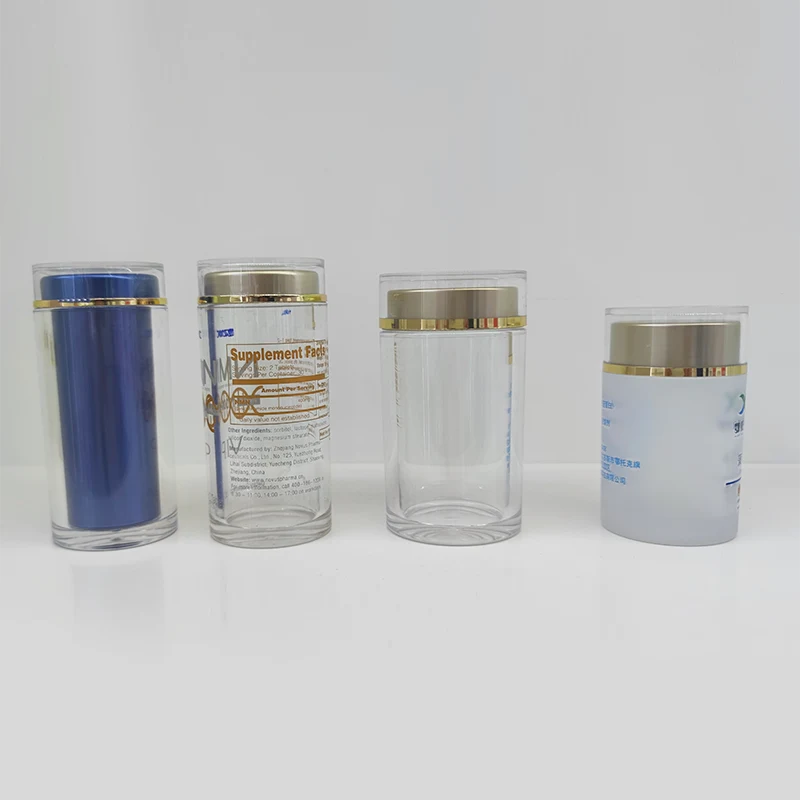
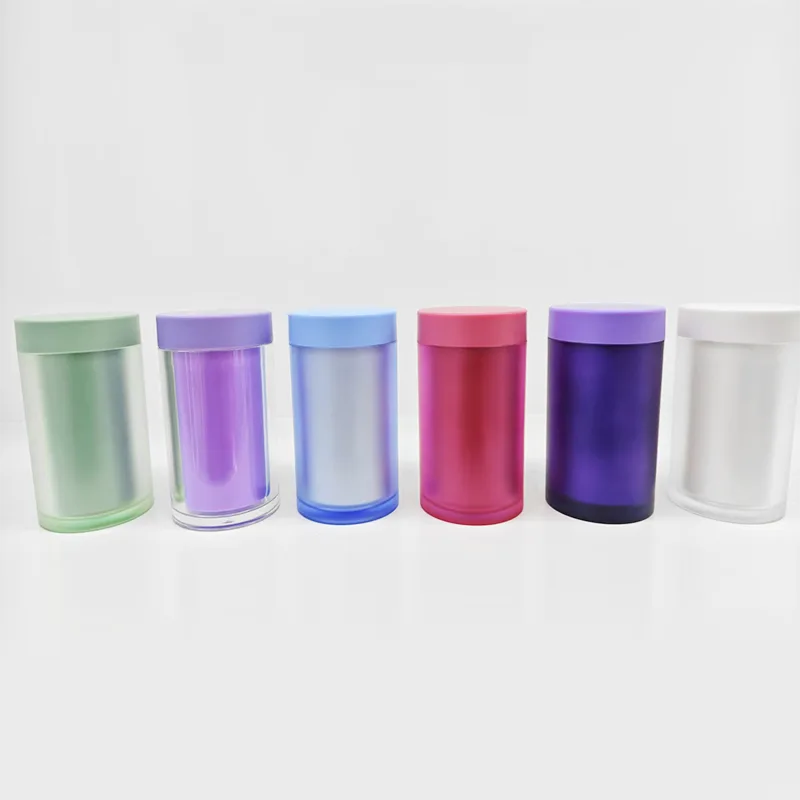
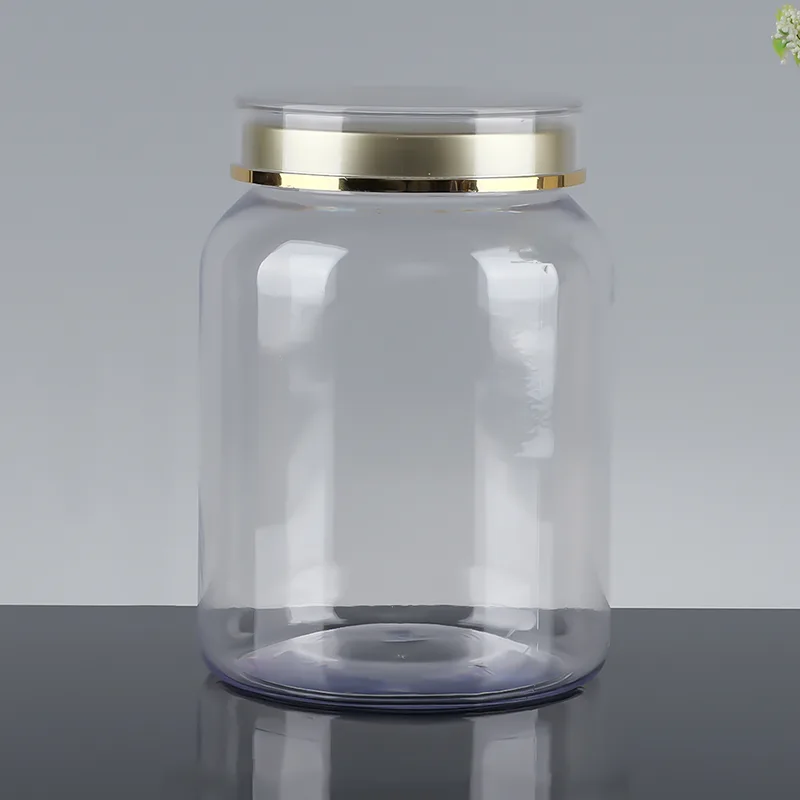
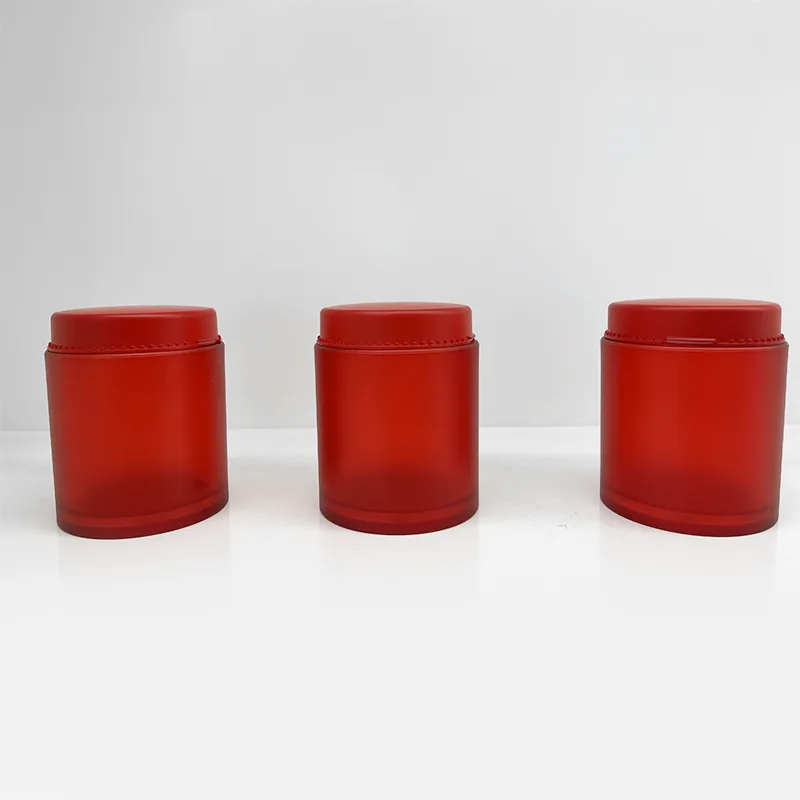
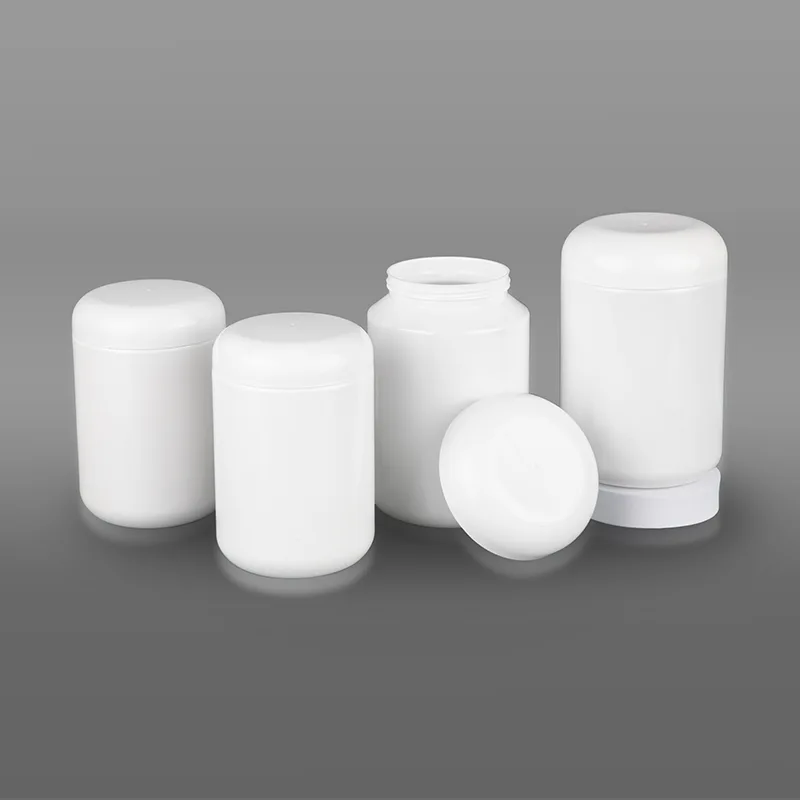
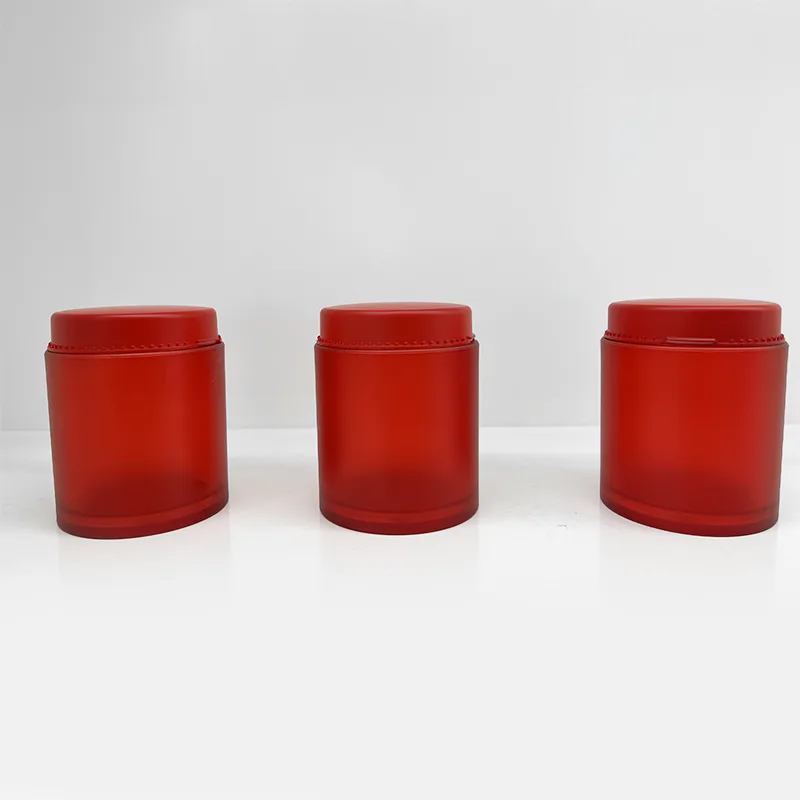
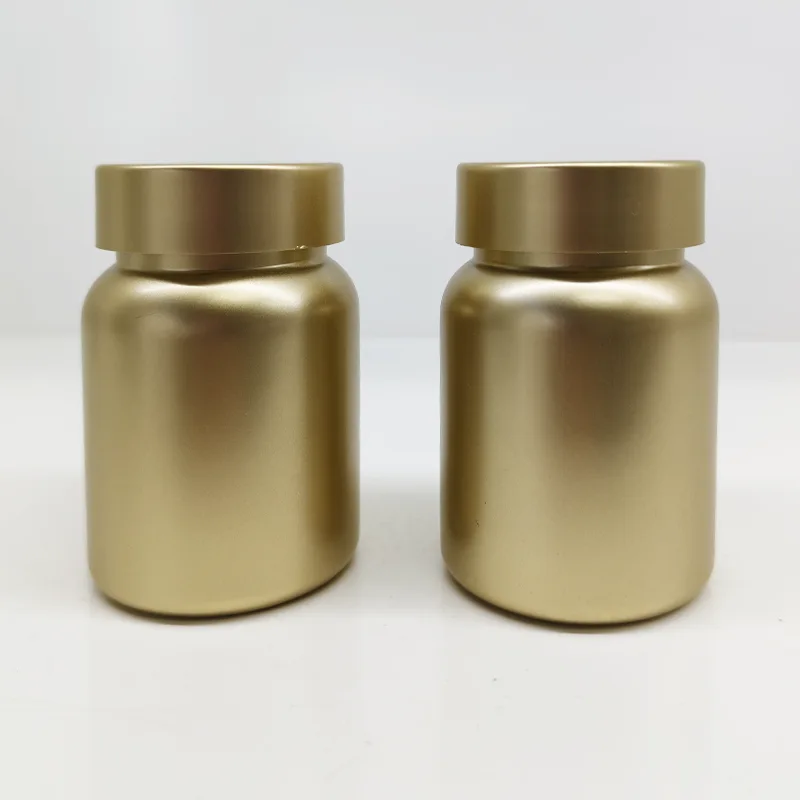
In the market for home, office, and outdoor beverage containers, acrylic bottles stand out with the dual characteristics of "glass-like texture + plastic toughness". Their comprehensive advantages in appearance, durability, and portability have made them a key choice for consumers replacing traditional glass and ordinary plastic cups.

Core Competitiveness: High Transmittance & Aesthetic Appeal
High light transmittance and attractive appearance are the core competitiveness of acrylic bottles. Their light transmittance can reach 92%, close to the transparency of borosilicate glass, and their surface gloss (tested at a 60° angle) reaches 88%, which clearly showcases the color of beverages—whether it is the gradient effect of layered fruit tea or the dense milk foam of coffee, both can be fully displayed to enhance the drinking experience. Data from a tea chain brand shows that after using acrylic cups for popular internet-famous beverages, the customer photo-sharing rate increased by 40%, and the product repurchase rate rose by 15%.
Impact Resistance & Shatterproof Performance: Subverting Traditional Perceptions
The impact resistance of acrylic material subverts traditional perceptions. With an impact strength of 60kJ/m², it is more than 10 times that of ordinary glass. In a 1.2-meter drop test, the breakage rate is only 3% (compared to over 95% for glass). In addition, acrylic bottles are not easy to produce sharp fragments when falling, especially suitable for children or outdoor carry. Field tests by an outdoor brand show that in camping scenarios, the loss rate of acrylic bottles is 87% lower than that of glass cups, significantly reducing replacement costs.
Safe and Environmentally Friendly, Wide Temperature Adaptability
The acrylic mug meets the FDA 21 CFR 177.1010 and national standard GB 4806.7 safety standards for food-contact materials, and is free of Bisphenol A (BPA). It can be used safely in the temperature range of -20℃ to 80℃, and is suitable for iced drinks and lukewarm water (avoid direct brewing with boiling water). Experimental data shows that after repeatedly holding acidic beverages (such as lemon juice), the amount of dissolved substances from the material is ≤0.008mg/kg, far below the safety limit.
Outstanding Lightweight & Portability
A 500ml acrylic mug weighs about 80 grams, half the weight of a glass mug and a third of a 304 stainless steel insulated mug. Equipped with a portable handle design, suitable for commuting and traveling scenes. An e-commerce platform data show that in 2024, the search volume of “portable acrylic bottle” increased by 120% year-on-year, becoming the standard for young consumers to commute.
| Performance Indicator | Acrylic Water Cup | Ordinary Glass Cup | Ordinary PET Cup | 304 Stainless Steel Insulated Cup |
| Light Transmittance | 92% | 93% | 88% | 0% (Opaque) |
| Impact Strength | 60kJ/m² | 5kJ/m² | 30kJ/m² | 80kJ/m² |
| Temperature Resistance Range | -20℃~80℃ | -20℃~100℃ | -20℃~40℃ | -40℃~120℃ |
| Weight (500ml) | Approximately 80g | Approximately 160g | Approximately 60g | Approximately 240g |
| Safety (BPA Content) | BPA-free | BPA-free | Some contain BPA | BPA-free |
With the progress of science and technology, the new acrylic bottle introduced “anti-scratch coating” (surface hardness increased to 3H), “anti-bacterial materials” (E. coli bacteria inhibition rate of 99%) and other innovative design, application scenarios to further expand. Whether it is home decoration, office use, or outdoor camping, acrylic cups can meet the diverse needs of consumers with the dual advantages of “beautiful + practical”, becoming a new growth point in the beverage container market.
Related News
- How Can a Protein Powder Supplement Acrylic Jar Improve Your Nutrition Storage?
- How Are PET Bottles Revolutionizing Packaging?
- Why Are PS Bottles Popular for Modern Packaging?
- How does PETG Cosmetic Bottle For Capsules Lead the Innovation of Beauty Packaging?
- How does RUGUI health care gift box convey health and care?
- How RUGUI PETG cosmetic bottle manage an excellenet balance of aesthetics and performance?
Leave me a message