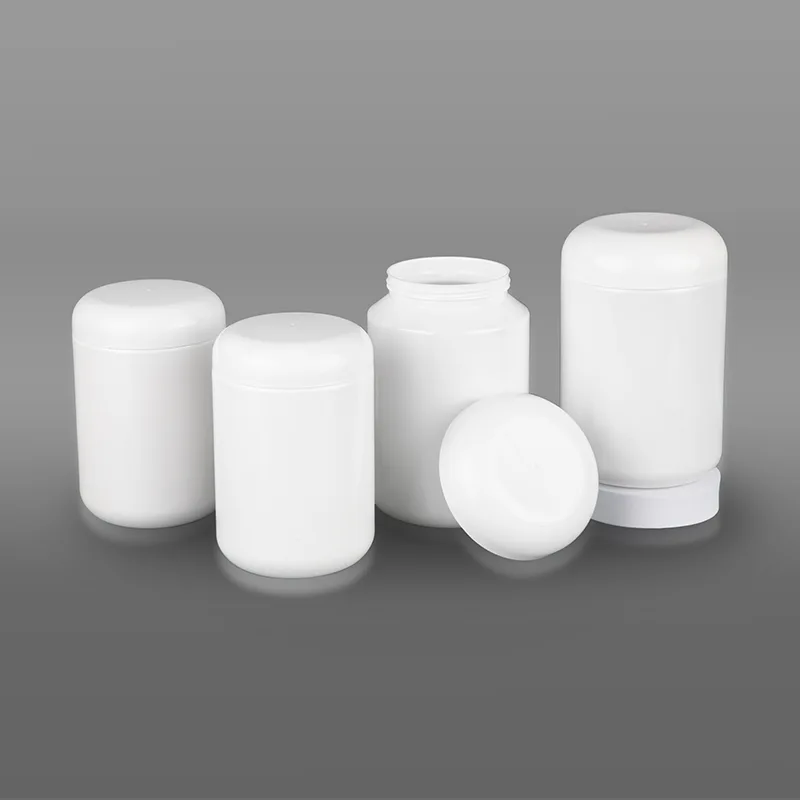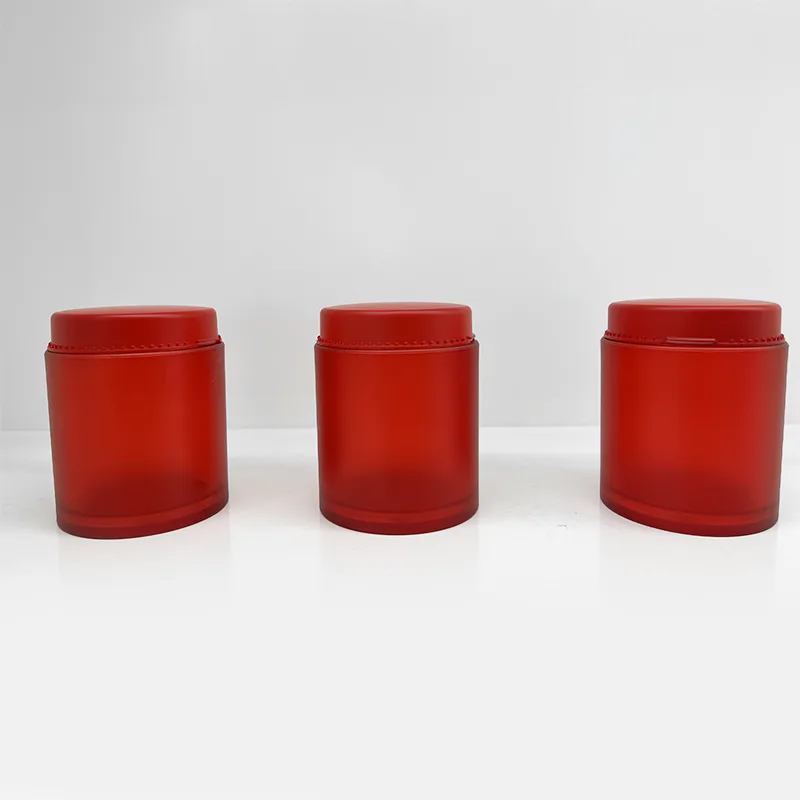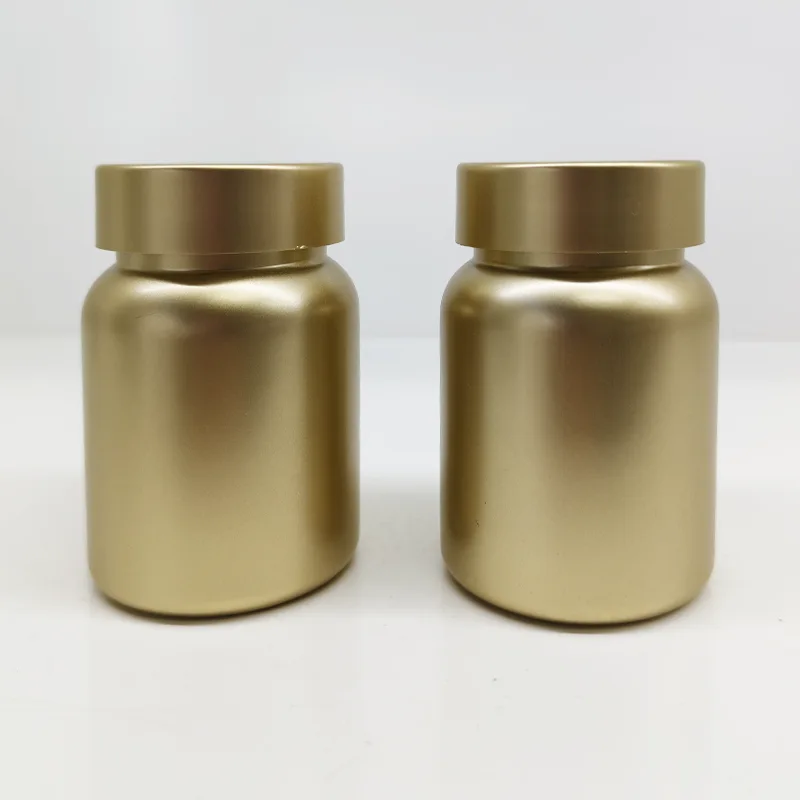

How to Judge the Quality of PET Bottles Through Four Key Dimensions?
With the increasing popularity of PET bottles in food packaging and household use, the quality of products on the market varies greatly, and consumers and buyers often face the dilemma of "product selection". A 2024 market survey showed that approximately 32% of consumers mistakenly purchased low-quality PET bottles with odors, deformation, and other problems due to lack of knowledge to distinguish between good and bad products. In fact, you can quickly judge the quality of a PET bottle and avoid poor purchases by focusing on four dimensions: appearance, material, performance, and environmental friendliness.

Step 1: Inspect Appearance and Texture – Quality Lies in Details
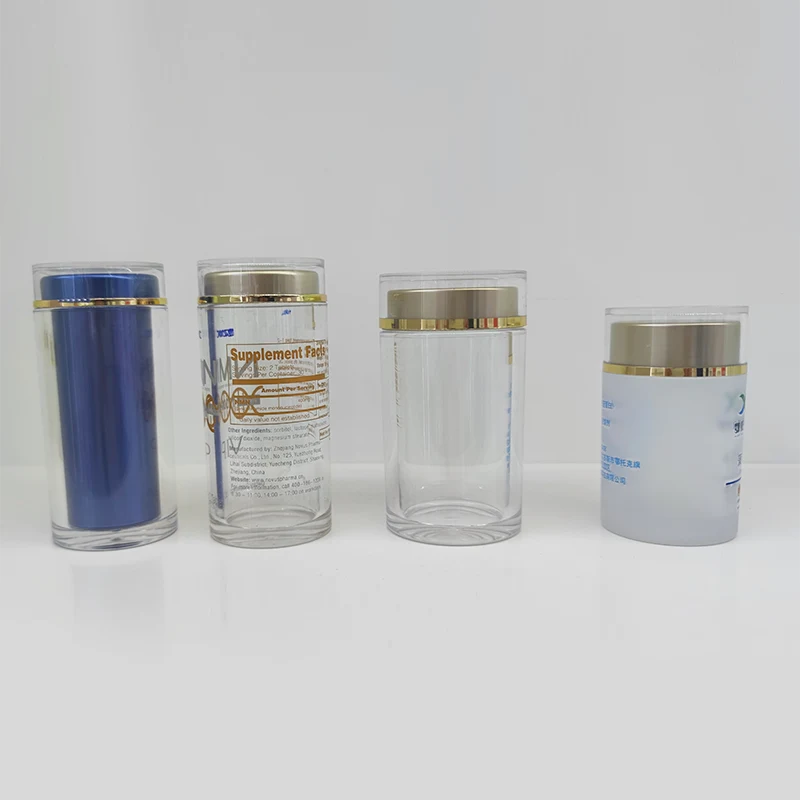
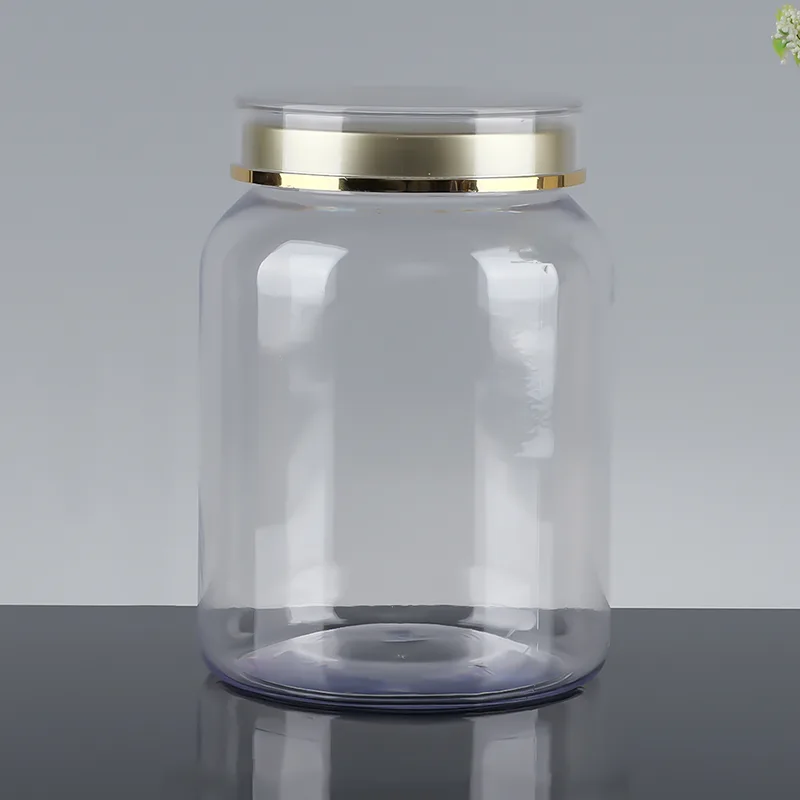
A high-quality PET bottle should have a "flawless, highly transparent, and well-crafted" appearance:
It has high bottle body transparency (light transmittance ≥90%), with no cloudy spots or bubbles (low-quality products have a bubble rate over 5%);
It has uniform bottle wall thickness (thickness deviation ≤0.1mm), with no unevenness when you touch it by hand;
Its bottle mouth edge is smooth and has no burrs (low-quality products have a burr rate up to 40%), and it has clear, complete threads (this ensures no water leakage when matched with a lid).
For printed bottles, check the patterns: High-quality ones use food-grade ink that doesn’t fade after 30 rubs (low-quality ink fades after just 5 rubs). The ink is not misaligned or overflowing, which ensures a good visual texture.
Data from a testing institution shows that PET bottles with an appearance compliance rate of over 95% also have a high performance test pass rate of 88%.
Step 2: Verify Material Safety – Certifications Are Key
Material safety is the core of a PET bottle; focus on "no strange odors and valid certifications":
No pungent odors when unboxing a new bottle (low-quality products often have an odor rate exceeding 60% due to the addition of recycled waste plastic);
The bottle body must be marked with the "PET" material label (recycling code 1) and food contact compliance marks (e.g., China’s "SC," US FDA, EU 10/2011). Products without these marks are forbidden for use;
For advanced verification, check the migration test report: High-quality PET bottles have an acetaldehyde migration ≤0.3mg/kg (in line with GB 4806.7 standard) and heavy metal (lead, cadmium) migration ≤0.01mg/kg at 40℃, preventing the leaching of harmful substances.
Step 3: Test Physical Performance – Durability Reveals Quality
The physical performance of a PET bottle decides how long it can be used. Simple tests can help you judge its quality:
Compression test: High-quality bottles can take 50N of pressure (about 5kg weight) without changing shape. But low-quality ones dent when under 30N.
Heat resistance test: When you fill it with 80℃ hot water, high-quality bottles don’t soften or change shape (they can stand heat up to ≥85℃). But low-quality ones often bulge.
Drop test: When you drop it from 1.2 meters high onto a concrete floor, high-quality bottles have a cracking rate ≤10% (pass rate ≥90%). But low-quality ones have a cracking rate over 70%.
Also, test the lid’s sealing performance: Tighten the lid and turn the bottle upside down for 1 minute. High-quality bottles don’t leak water. But low-quality ones often leak because their sealing gaskets are poor.
Step 4: Evaluate Environmental Friendliness – Align with Sustainability Trends
Environmental friendliness has become an important dimension for judging PET bottle quality:
High-quality products may indicate "rPET content" (proportion of recycled PET); those with over 30% rPET and compliance with the Global Recycled Standard (GRS) have greater environmental value;
No non-separable non-PET components (e.g., metal stickers, non-PET handles on low-quality bottles) to avoid hindering recycling;
Some high-end products also mark carbon footprint data (e.g., ≤80g CO₂e per bottle), meeting low-carbon consumption needs. 2024 data shows that high-quality PET bottles with environmental certifications have a 45% higher market recognition than ordinary products.
| Evaluation Dimension | High-Quality PET Cups | Low-Quality PET Cups | Key Differences |
|---|---|---|---|
| Appearance & Texture | Light transmittance ≥90%, no bubbles/burrs, fade-resistant printing | Light transmittance ≤75%, many bubbles/burrs, easy-fade printing | Detailed Craftsmanship & Material Purity |
| Material Safety | No odors, FDA/EU certified, up-to-standard migration | Pungent odors, no certifications, excessive migration | Raw Material Quality & Compliance |
| Physical Performance | Withstands 50N pressure (no deformation), heat resistance ≥85℃, drop-resistant | Deforms under 30N pressure, heat resistance ≤60℃, easy to crack | Material Strength & Process Stability |
| Environmental Friendliness | Contains rPET (GRS certified), easy to recycle | No recycled material labels, non-separable components | Sustainable Design & Recycling Convenience |
Currently, the industry is improving PET bottle quality through technological upgrades – for example, adding antioxidants to extend service life and using laser engraving instead of ink printing to reduce pollution. When choosing PET bottles, consumers and buyers can use the 4-step identification method above, and prioritize products with brand endorsements and available test reports. This not only ensures safe use but also aligns with eco-friendly consumption trends, helping you truly select "high-quality and practical" PET bottles.
Related News
- How Can a Protein Powder Supplement Acrylic Jar Improve Your Nutrition Storage?
- How Are PET Bottles Revolutionizing Packaging?
- Why Are PS Bottles Popular for Modern Packaging?
- How does PETG Cosmetic Bottle For Capsules Lead the Innovation of Beauty Packaging?
- How does RUGUI health care gift box convey health and care?
- How RUGUI PETG cosmetic bottle manage an excellenet balance of aesthetics and performance?
Leave me a message