
What Makes PS Bottles a Smart Choice for Modern Packaging Solutions?
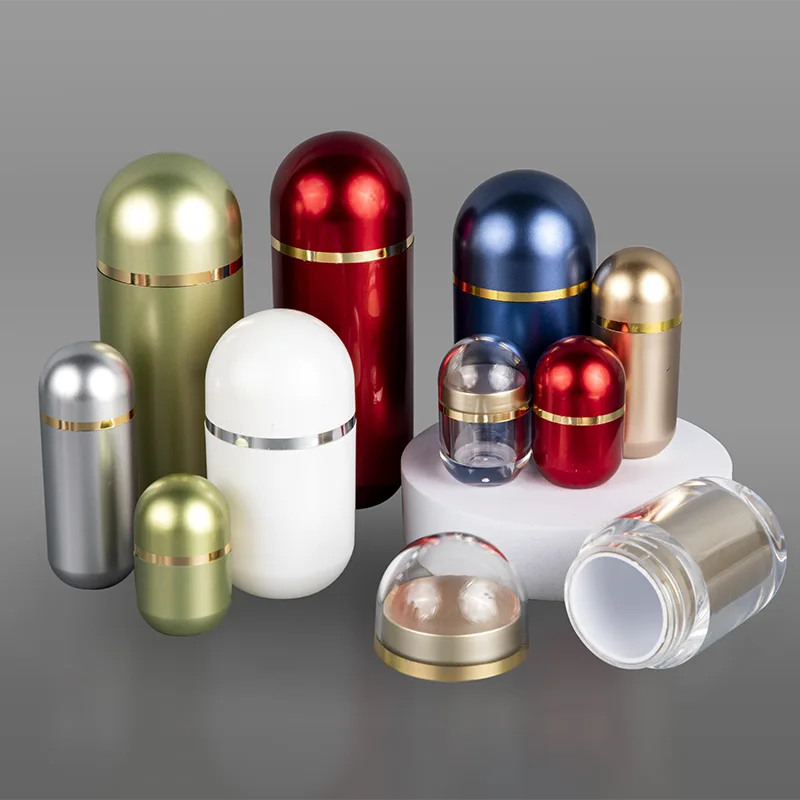
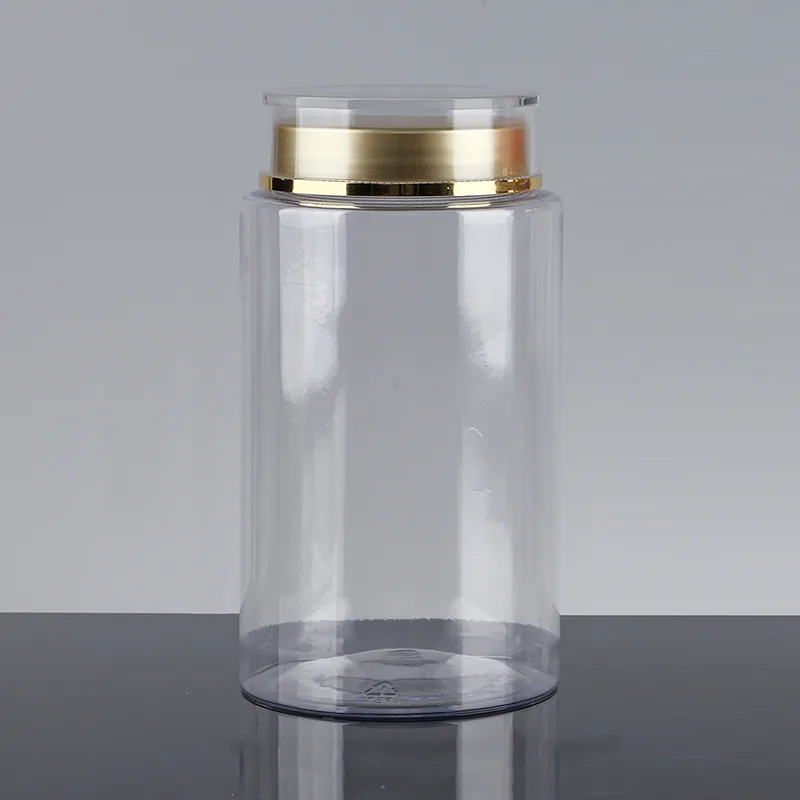
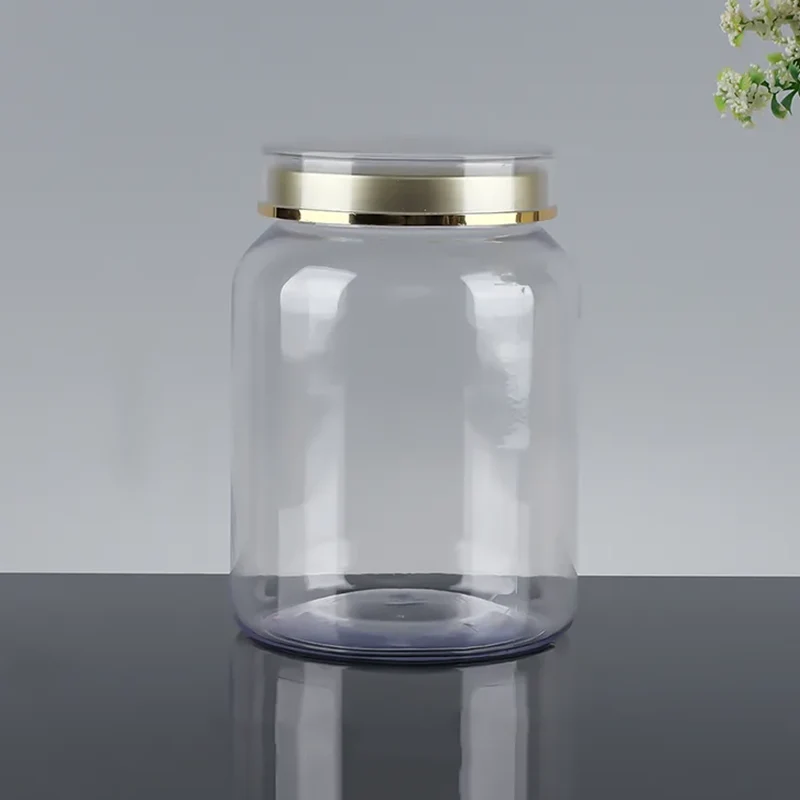
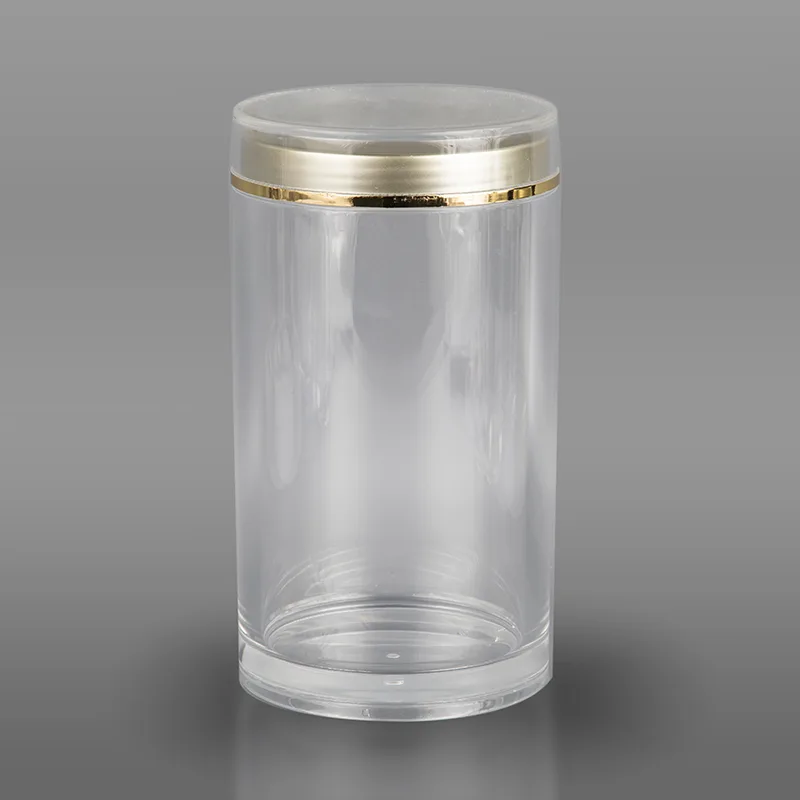
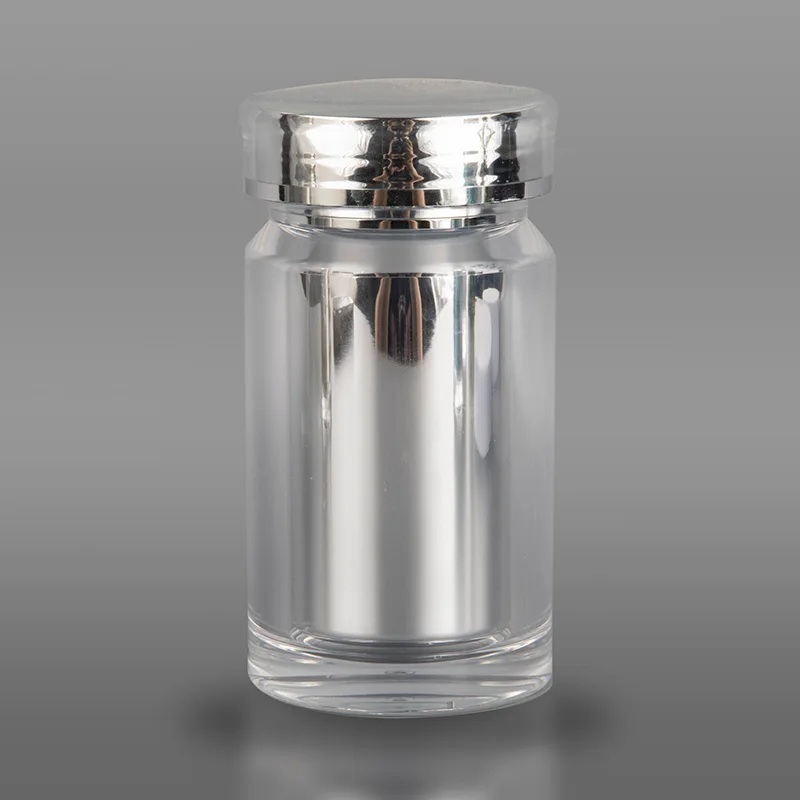
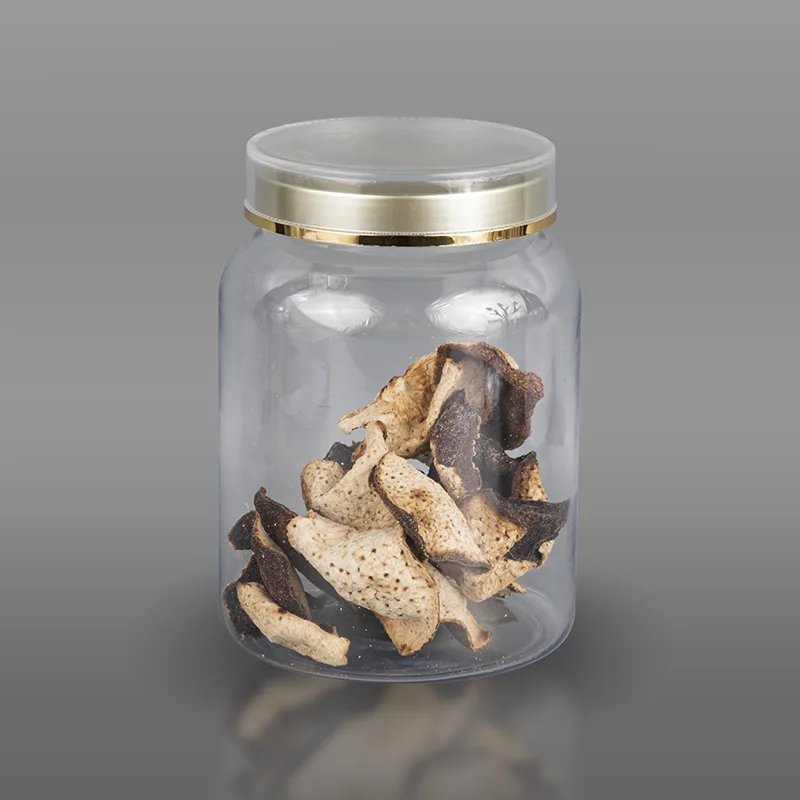
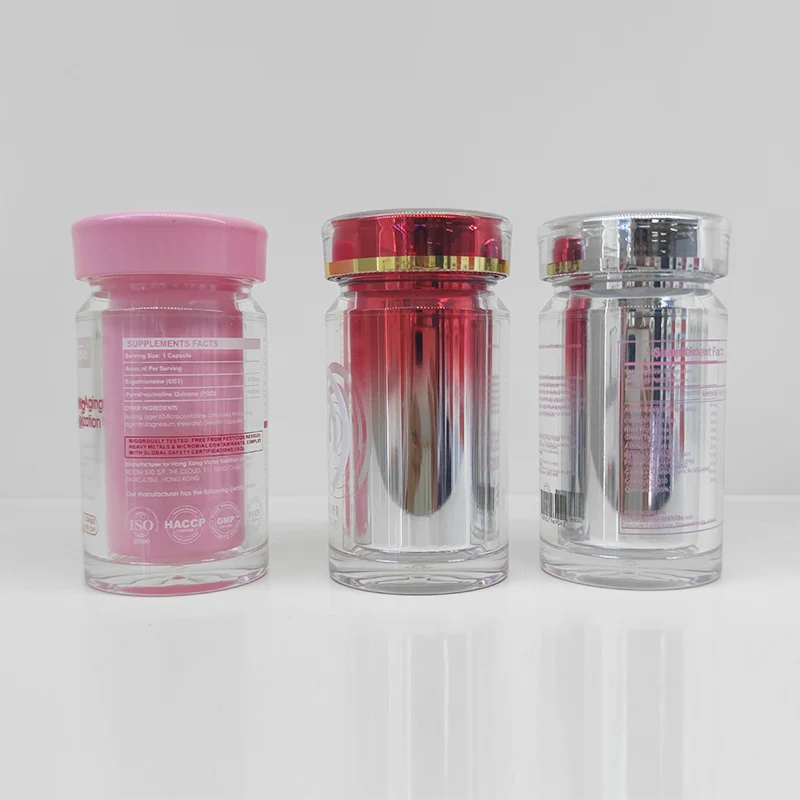
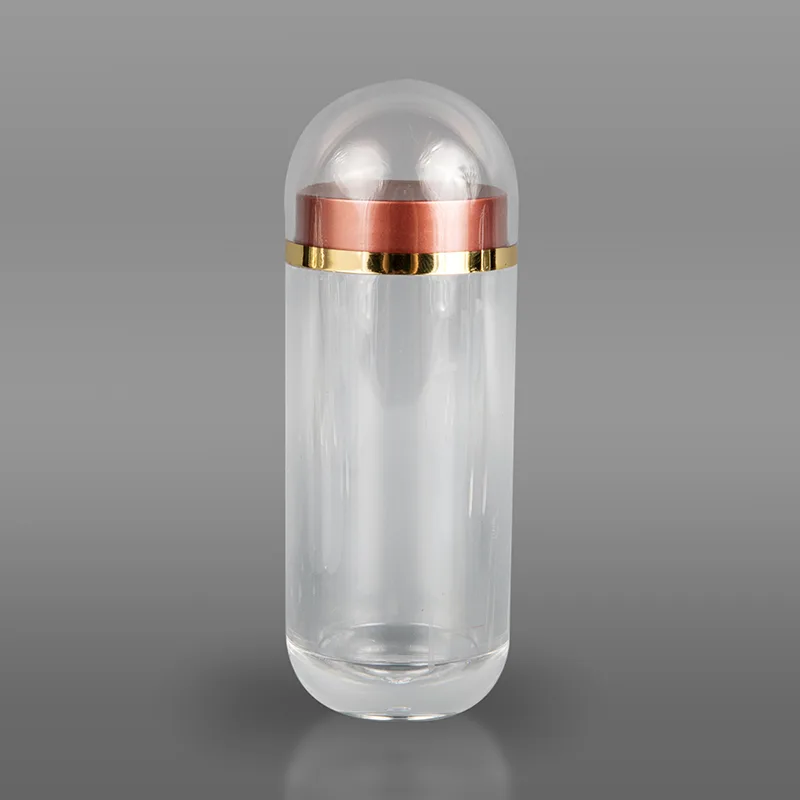
PS bottles, also known as polystyrene bottles, are among the most versatile and durable packaging materials used across industries such as pharmaceuticals, cosmetics, food, and household chemicals. Made from polystyrene resin, these bottles are recognized for their crystal-clear appearance, rigidity, and resistance to moisture. Their clarity allows for easy visibility of the contents, making them ideal for retail products where presentation is crucial.
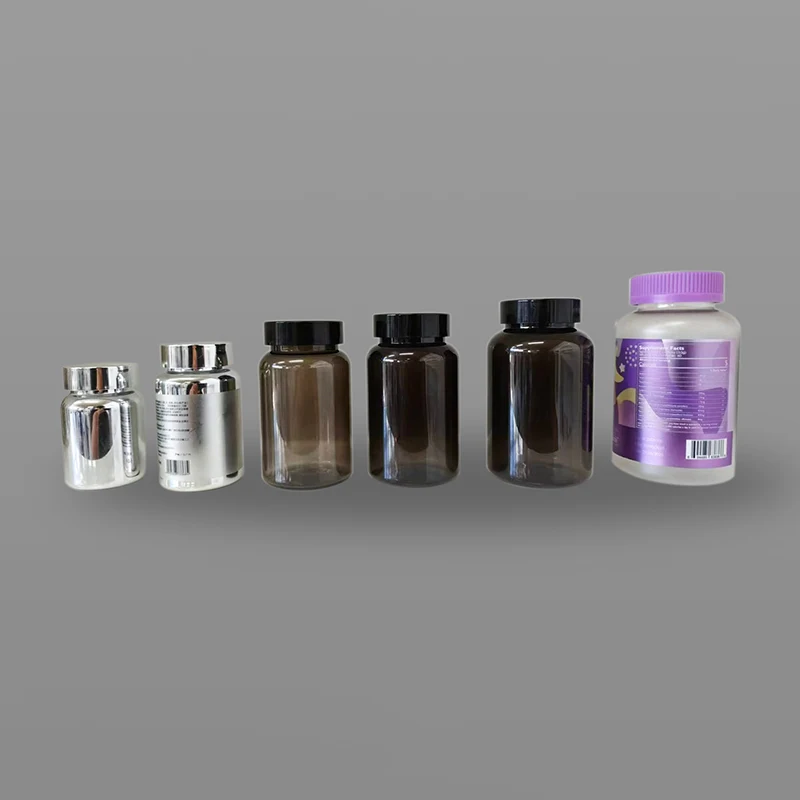
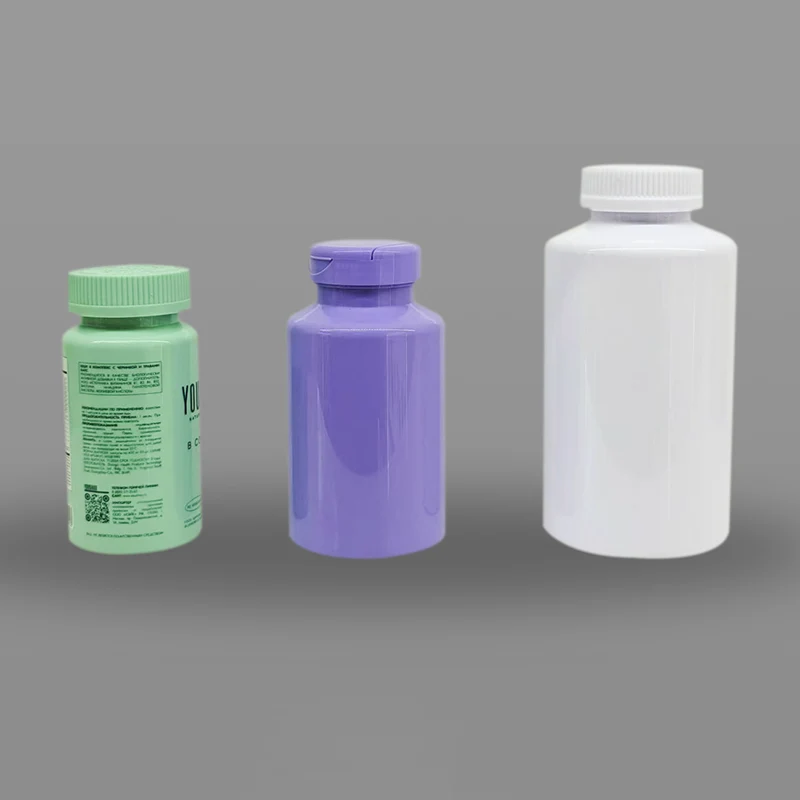
The primary function of PS bottles lies in their ability to protect and preserve the integrity of the contents while offering a professional and appealing aesthetic. They are lightweight yet strong, ensuring cost efficiency in transportation and storage. Moreover, PS bottles can be easily molded into various shapes and sizes, allowing manufacturers to customize their design to meet branding and functional requirements.
Polystyrene’s physical and chemical properties make it suitable for storing non-reactive liquids, lotions, and powders. It provides a smooth, glossy surface that enhances labeling and printing quality—an important factor for product branding in competitive markets.
Key Product Parameters of PS Bottles
| Parameter | Description |
|---|---|
| Material | Polystyrene (PS) |
| Transparency | High clarity, glass-like appearance |
| Density | 1.04 – 1.06 g/cm³ |
| Melting Point | 240°C – 260°C |
| Impact Resistance | Moderate, suitable for non-pressurized liquids |
| Shape Options | Cylindrical, square, round, or custom shapes |
| Available Sizes | 10 ml to 2000 ml (customizable) |
| Closure Types | Screw caps, snap caps, pump dispensers, flip tops |
| Surface Finish | Glossy, printable, label-friendly |
| Applications | Cosmetics, pharmaceuticals, food packaging, household goods |
From a manufacturing standpoint, PS bottles are ideal for mass production because of their easy molding process and consistent quality. Their affordability and visual appeal have made them a popular substitute for glass bottles, especially in sectors where breakage and weight are concerns.
Why Are PS Bottles Preferred Over Other Packaging Materials?
The growing preference for PS bottles stems from their unique combination of practicality and aesthetic benefits. Unlike PET or HDPE, PS provides superior clarity, allowing consumers to see the product inside clearly—a crucial factor for cosmetics, healthcare, and food packaging industries.
1. Superior Visual Appeal
PS bottles offer glass-like transparency, making them perfect for products where visual presentation matters—such as beauty serums, sauces, and supplements. Their clarity enhances consumer trust by showcasing the product’s true color and texture.
2. Lightweight Yet Durable
Compared to glass, PS bottles are significantly lighter while maintaining excellent rigidity. This balance between lightness and strength ensures easier handling and reduced shipping costs.
3. Excellent Labeling and Printing Compatibility
The glossy surface of PS bottles supports direct printing and strong label adhesion, ensuring long-lasting brand visibility and high-quality aesthetics.
4. Cost-Effective Manufacturing
Due to their simple molding process and easily available resin, PS bottles can be produced efficiently and economically, reducing both manufacturing time and cost.
5. Chemical and Moisture Resistance
PS bottles effectively resist moisture and mild chemicals, maintaining product freshness and integrity—especially important for food and pharmaceutical applications.
6. Recyclability and Sustainability Aspects
Advancements in recycling have allowed PS bottles to be part of closed-loop systems, contributing to a more sustainable packaging cycle. Modern PS variants are increasingly designed for eco-friendliness and recyclability.
Collectively, these benefits make PS bottles a reliable and cost-efficient choice for global packaging industries that demand both functionality and presentation value.
How Are PS Bottles Manufactured and Applied in Modern Industries?
The production of PS bottles involves precision and consistency to ensure quality performance. Two main methods—injection molding and extrusion blow molding—are commonly used in manufacturing.
Injection Molding:
Molten polystyrene is injected into molds, creating intricate shapes with precise dimensions. This technique is suitable for small bottles and containers that require detailed designs.
Extrusion Blow Molding:
In this process, molten resin is extruded into a tube (parison) and inflated inside a mold. The result is lightweight bottles with uniform thickness, ideal for large-scale production.
Applications Across Industries
-
Cosmetics: Used for lotions, toners, and skincare products, PS bottles enhance the luxurious appearance of cosmetic packaging.
-
Pharmaceuticals: Ideal for syrups, tablets, and topical solutions, ensuring safe and hygienic storage.
-
Food Products: Commonly used for seasonings, sauces, and beverages due to clarity and cleanliness.
-
Household Goods: Suitable for cleaners and non-corrosive liquids, balancing function and design.
Quality Control and Customization
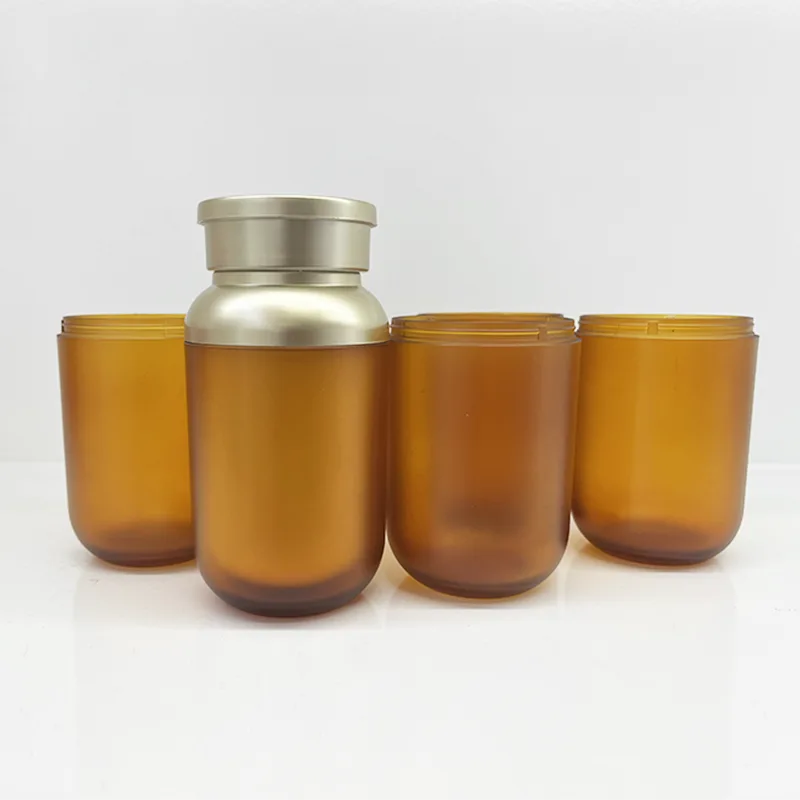
PS bottles undergo multiple quality tests, including impact resistance and leakage evaluation, to ensure reliability. They can be customized in terms of size, color, finish, and closure types. Transparent, tinted, or frosted versions can be achieved through additives, while logo embossing and screen printing enhance brand identity.
Efficiency in Packaging and Transport
PS bottles are stackable and lightweight, significantly reducing logistics costs. Their strength prevents deformation during shipping, ensuring that products reach customers in pristine condition.
What Is the Future Trend of PS Bottles in Global Packaging?
The packaging industry is evolving rapidly, driven by sustainability, technology, and customization. PS bottles are adapting to these changes, maintaining their relevance across diverse applications.
1. Eco-Friendly Manufacturing
Producers are incorporating recycled and bio-based PS resins to meet global sustainability standards. Green manufacturing technologies are also minimizing waste and emissions.
2. Smart and Interactive Packaging
With digital labeling such as QR codes and RFID technology, PS bottles are becoming more interactive—offering consumers product details and traceability through smart packaging.
3. Surface Enhancements
Innovations in coatings are improving PS bottles’ resistance to UV rays, scratches, and oxygen penetration, extending the product’s shelf life.
4. Personalization and E-commerce Adaptability
Online retail growth increases demand for packaging that is both durable and visually distinctive. Custom colors, branding, and shapes are driving PS bottle innovation.
5. Global Market Growth
The PS bottle market continues to expand in regions like Asia-Pacific and Europe due to its cost-effectiveness, versatility, and strong aesthetic appeal. As cosmetic and pharmaceutical sectors grow, PS bottles are expected to maintain a steady upward trend in global demand.
Frequently Asked Questions (FAQ)
Q1: What is the difference between PS bottles and PET bottles?
A1: PS bottles, made from polystyrene, offer glass-like clarity and rigidity, making them ideal for display-oriented products. PET bottles are more flexible, impact-resistant, and suitable for high-pressure contents. Each material serves distinct market needs—PS for visual appeal and PET for structural toughness.
Q2: Are PS bottles recyclable and safe for food use?
A2: Yes. Food-grade PS bottles are safe for packaging edible goods when produced under regulated conditions. They can also be recycled through specialized recovery systems. Modern recycling processes are enhancing PS sustainability, supporting global environmental goals.
Conclusion
PS bottles have become an indispensable element of modern packaging, combining clarity, strength, and affordability. Their adaptability across industries—from cosmetics to pharmaceuticals—demonstrates their enduring value. As global focus shifts toward eco-conscious and smart packaging, PS bottles are evolving with improved recyclability, customization, and functionality.
Rugui continues to lead in high-quality PS bottle manufacturing, offering tailored solutions that merge innovation with sustainability. Whether for large-scale production or niche product lines, Rugui ensures precision, durability, and style in every bottle.
Contact us today to explore how Rugui’s PS bottle solutions can elevate your packaging design and optimize your product performance in the global market.
Related News
- How Can a Protein Powder Supplement Acrylic Jar Improve Your Nutrition Storage?
- How Are PET Bottles Revolutionizing Packaging?
- Why Are PS Bottles Popular for Modern Packaging?
- How does PETG Cosmetic Bottle For Capsules Lead the Innovation of Beauty Packaging?
- How does RUGUI health care gift box convey health and care?
- How RUGUI PETG cosmetic bottle manage an excellenet balance of aesthetics and performance?
Leave me a message