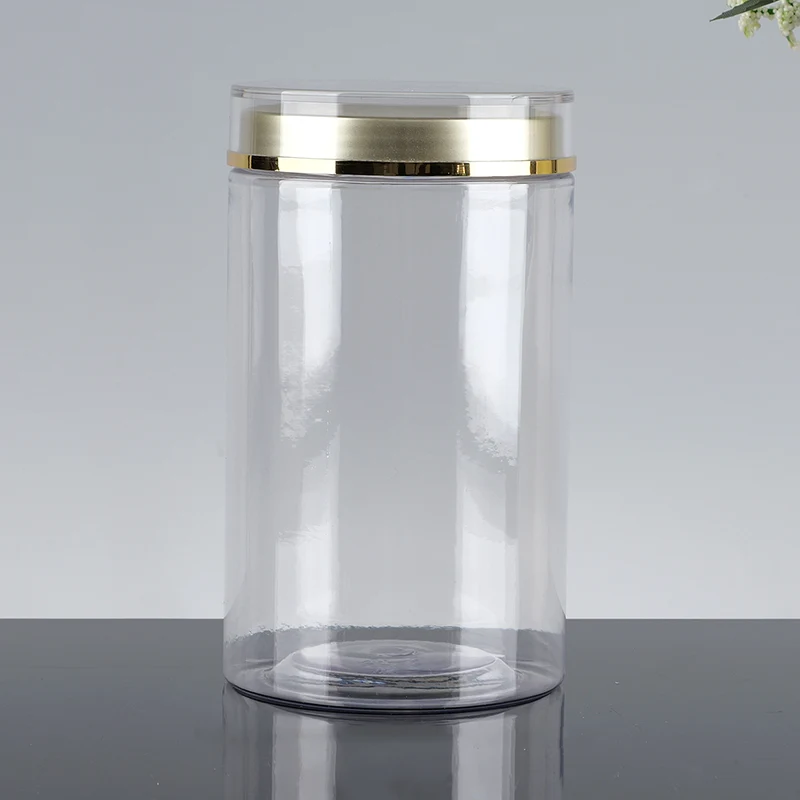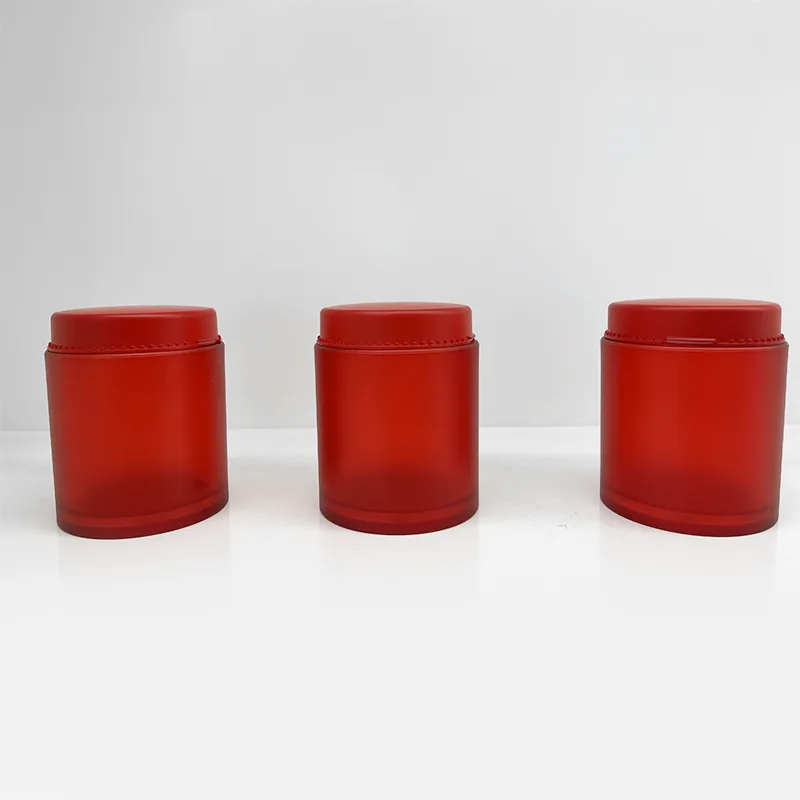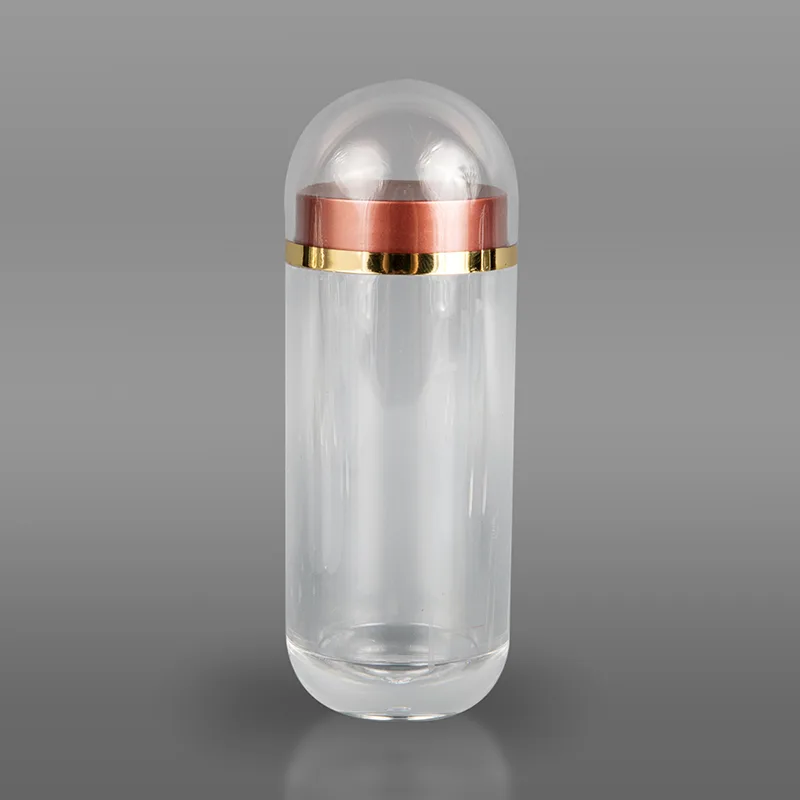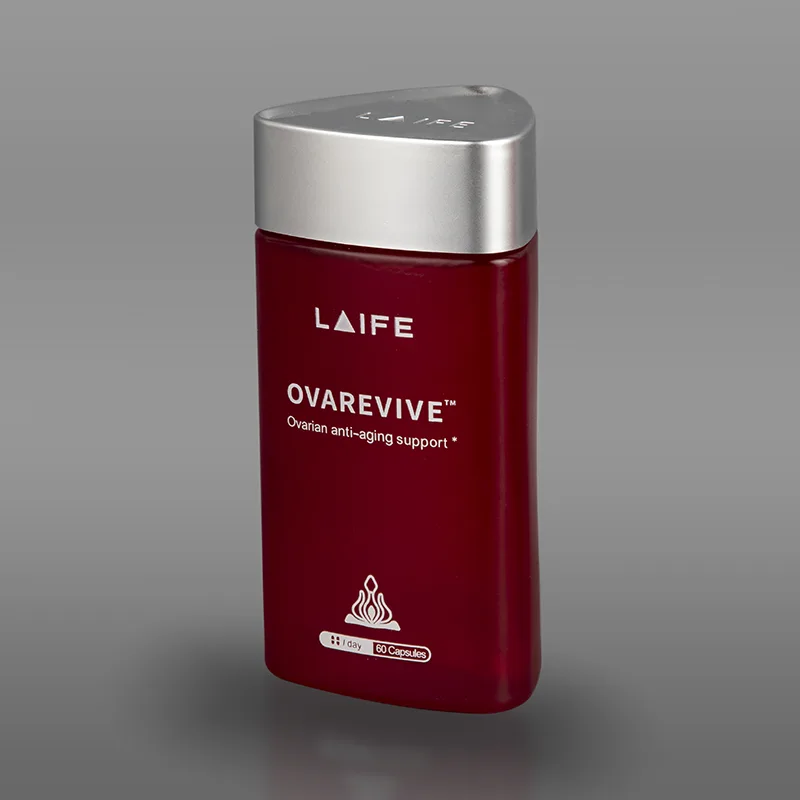

How do PETG Bottles Meet Strict Pharmaceutical Storage Needs and Become a Top Packaging Choice?
Pharmaceutical storage has very high requirements for containers in three areas: "chemical stability, sealing performance, and safety." Traditional plastic bottles often cause loss of drug efficacy or safety risks. This is because they let too many substances move out, and their sealing is poor. But PETG (Polyethylene Terephthalate Glycol) materials have big advantages in pharmaceutical storage. This is thanks to their unique molecular structure.
A 2024 pharmaceutical packaging industry report shows that more pharmaceutical companies used PETG bottles for drug storage. The number went up by 28% compared to last year. PETG bottles are good at keeping drugs effective and reducing risks. So they are becoming a top choice for pharmaceutical packaging.
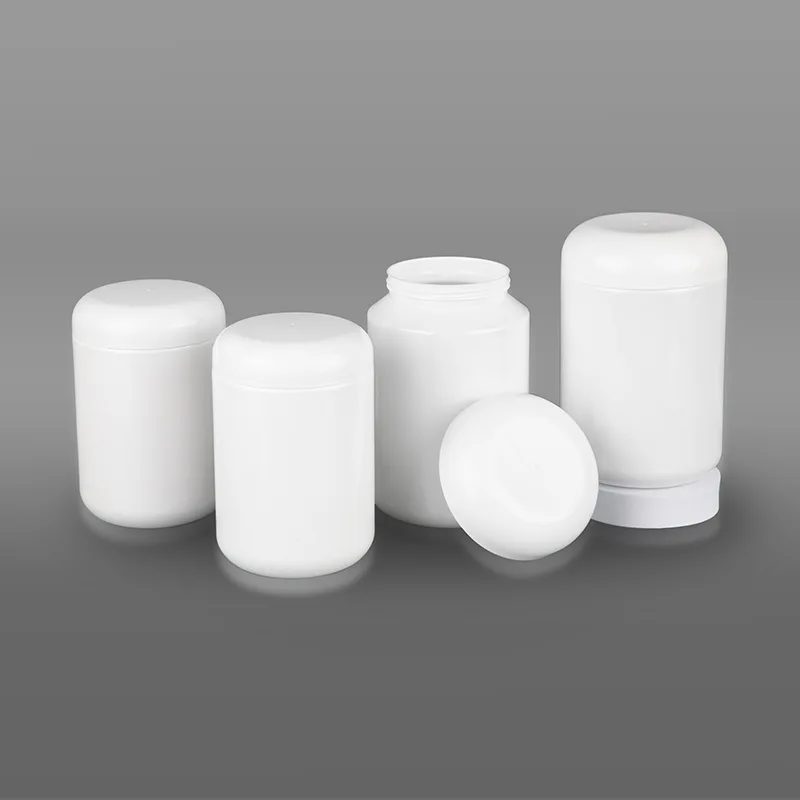
1. Excellent Chemical Stability: Preventing Migration of Harmful Substances
The core requirement for pharmaceutical storage is "no substance migration and no chemical reactions." PETG bottles meet strict testing standards:
① They pass food and pharmaceutical contact material certifications, like FDA 21 CFR §177.1630 and EU EP 3.1.3. The amount of heavy metals (lead, cadmium) that move out is ≤0.001mg/kg. This is much lower than ordinary PP bottles (≤0.01mg/kg);
② The amount of acetaldehyde that moves out is ≤0.1mg/kg. This is 67% less than ordinary PET bottles (≤0.3mg/kg). So it stops chemical reactions with drug components;
③ They can handle acidic and alkaline drugs well (pH range 4-9). A pharmaceutical company did tests: when liquid antibiotics were stored in PETG bottles for 6 months, the rate of active ingredients left was 98.5%. But for ordinary PP bottles, it was only 92%. This makes PETG bottles good for many drug types, like tablets, capsules, and oral liquids.
2. High-Sealing Design: Extending Drug Shelf Life
PETG bottles can be matched with silicone sealing rings and threaded lids. This makes a "dual-seal" structure:
① The leakage rate is ≤0.5% (tested under a negative pressure of 0.05MPa). This is much lower than ordinary plastic bottles without sealing rings (leakage rate 15%). It effectively stops air and moisture from getting in;
② The water vapor transmission rate (WVTR) is ≤1.2g/(m²·24h). When solid drugs are stored in an environment with 50% RH and 23℃ for 12 months, the amount of moisture they absorb and weight they gain is ≤2%. This stops drugs from absorbing moisture and going bad;
A pharmacy reported something: when they used PETG bottles to store moisture-sensitive vitamin C tablets, the shelf life was 3 months longer than with ordinary packaging. And the deterioration rate dropped from 8% to 1.2%.
3. Wide Temperature Range Adaptability: Covering Multiple Storage Scenarios
Pharmaceutical storage scenarios are diverse (refrigeration, room temperature, transportation), and PETG bottles have a temperature resistance range of -20℃~60℃:
① In refrigeration scenarios (2℃~8℃), the bottle body does not become brittle or deform, making it suitable for drugs requiring low-temperature storage such as biological agents and insulin;
② During room temperature storage (10℃~30℃), the heat distortion temperature reaches 70℃, preventing the bottle body from softening due to high temperatures in summer;
③ During transportation, it can withstand temperature fluctuations of -15℃~50℃. Tests by a pharmaceutical logistics company show that the damage rate of drugs transported in PETG bottles is only 0.3%, an 86% reduction compared to ordinary PET bottles (damage rate 2.1%), making it suitable for full-link storage needs.
4. Both Safety and Environmental Friendliness: Aligning with Industry Trends
PETG bottles meet standards in both safety and environmental friendliness:
① They contain no harmful substances such as bisphenol A (BPA) or plasticizers, making them suitable for drug containers for sensitive groups such as children and pregnant women;
② They have strong recyclability and comply with the Global Recycled Standard (GRS). Recycled PETG materials can still meet the basic requirements for pharmaceutical packaging. A pharmaceutical company using 30% recycled PETG bottles reduced its carbon footprint by 22% compared to using brand-new materials;
③ Drug information (shelf life, specifications) can be laser-engraved on the bottle body, replacing traditional ink printing and avoiding drug contamination from ink peeling, which meets the "no residue" requirement for pharmaceutical packaging.
| Comparison Dimension | PETG Bottles | Ordinary PP Bottles | Ordinary PET Bottles |
|---|---|---|---|
| Chemical Stability | Complies with FDA/EP, acetaldehyde ≤0.1mg/kg | Complies with FDA, acetaldehyde ≤0.5mg/kg | Complies with FDA, acetaldehyde ≤0.3mg/kg |
| Leakage Rate | ≤0.5% | ≤15% | ≤8% |
| Temperature Resistance Range | -20℃~60℃ | -10℃~100℃ (prone to deformation at high temperatures) | -40℃~70℃ (prone to brittleness at low temperatures) |
| Harmful Substances | No BPA or plasticizers | Some contain trace plasticizers | No BPA, high acetaldehyde migration |
| Suitable Drug Types | Tablets, capsules, oral liquids, biological agents | Tablets, capsules (not suitable for acidic/alkaline drugs) | Tablets, capsules (not suitable for low-temperature storage) |
Currently, PETG bottles are developing toward "functional upgrading": Some products add light-shielding layers (light-shielding rate ≥90%) to suit photosensitive drugs; others are equipped with smart labels (which can record storage temperature and opening times) to facilitate drug traceability. As an innovative choice for pharmaceutical packaging, PETG bottles not only meet the rigorous requirements of pharmaceutical storage but also align with the industry trends of "safety, long-term effectiveness, and environmental friendliness," providing reliable pharmaceutical storage solutions for pharmaceutical companies and consumers.
Related News
- How Can a Protein Powder Supplement Acrylic Jar Improve Your Nutrition Storage?
- How Are PET Bottles Revolutionizing Packaging?
- Why Are PS Bottles Popular for Modern Packaging?
- How does PETG Cosmetic Bottle For Capsules Lead the Innovation of Beauty Packaging?
- How does RUGUI health care gift box convey health and care?
- How RUGUI PETG cosmetic bottle manage an excellenet balance of aesthetics and performance?
Leave me a message